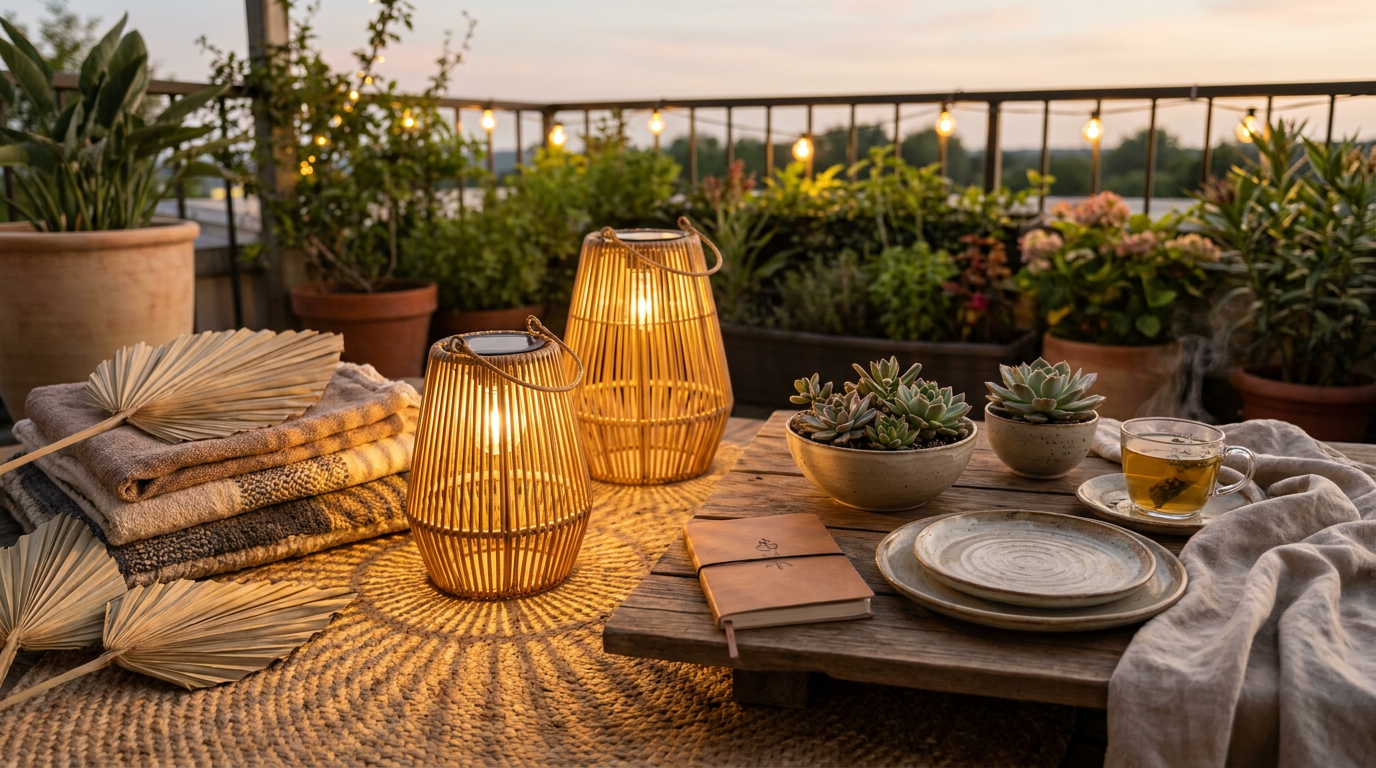
Integrating Handwoven Solar Lanterns in Modern Boho Design
 Maya ChenContributing Editor
July 13, 2026. This analysis examines the technical integration of artisanal lighting fixtures within sustainable exterior design frameworks. It is intended for consumers and design professionals seeking to balance aesthetic maximalism with functional solar efficiency.
The Efficiency Gap in Decorative Outdoor Lighting
The conventional wisdom says that decorative lighting is inherently inefficient, prioritizing visual patterns over actual lumen output. Many consumers invest in low-cost plastic alternatives that fail within a single season, contributing to a cycle of electronic waste. According to Pottery Barn, the primary value of a boho globe solar lantern lies in the delicate filigreed pattern that creates a play of light and shadow. However, here's the part nobody talks about: the material density of the housing often dictates the longevity of the internal photovoltaic cell. When natural fibers or high-quality synthetic weaves are used, they must be engineered to allow maximum sun exposure to the solar panel while protecting the internal battery from moisture ingress. Most off-the-shelf options ignore this balance, resulting in fixtures that look acceptable for a month but lose their charge capacity by the second quarter of use. This is particularly problematic in a bohemian balcony decor ideas solar context, where space is limited and every fixture must perform at peak efficiency to justify its footprint. The market is saturated with items that prioritize the 'boho' label over basic electrical engineering, leading to a consensus that solar power is merely a novelty rather than a reliable utility for the modern home.
Technical Advantages of Handwoven Solar Lantern Engineering
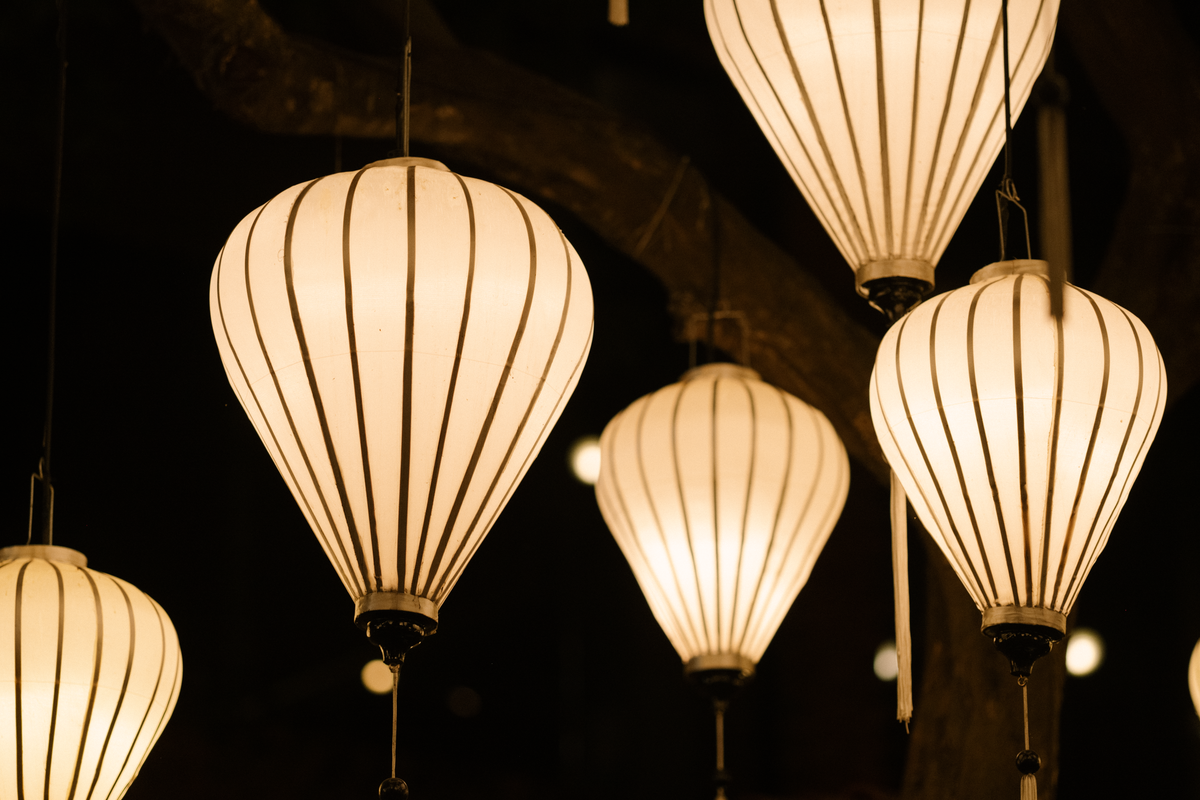
Photo by Pew Nguyen on Pexels
Handwoven Solar Lantern addresses these structural deficiencies by utilizing high-tensile materials that maintain their shape under thermal expansion. While the Soji Stella - Boho Globe - 12" Solar Lantern is noted for its suitability in gardens and decks, the Handwoven Solar Lantern specifically optimizes the weave density to ensure that the internal 1.2V Ni-MH battery receives unobstructed UV rays. Run the math: a standard solar lantern requires approximately 6 to 8 hours of direct sunlight to provide 10 hours of illumination. If the decorative exterior obscures even 15% of the panel, the discharge rate will exceed the charge rate, leading to total battery failure within weeks. By integrating the solar housing directly into the crown of the weave, Handwoven Solar Lantern ensures that the boho outdoor solar lights category moves beyond simple aesthetics. This engineering choice is critical when coordinating with coastal solar lantern decor, where salt air and high humidity can corrode poorly shielded electronics. The brand’s focus on weather-resistant synthetic fibers allows for the complex textures associated with bohemian design without the rapid degradation seen in natural rattan or untreated bamboo. This durability is not just a feature; it is a requirement for any sustainable lighting system that claims to be environmentally friendly.
A Framework for Durable Exterior Lighting Selection
Photo by ROMAN ODINTSOV on Pexels
Selecting a fixture based solely on a Pinterest board is a recipe for technical disappointment. Designing a functional outdoor space requires a rigorous assessment of the environment and the hardware's capacity to withstand it. When evaluating boho outdoor solar lights, one must look past the initial glow and analyze the build quality. A proper decision framework should prioritize the IP (Ingress Protection) rating and the material of the weave over the complexity of the shadows it casts. I’ll change my mind when manufacturers start providing 5-year warranties on solar cells, but until then, the burden of selection falls on the consumer to identify high-quality builds. As noted by Allsop Home & Garden, successful outdoor seating areas rely on a mix of solar string lights and tabletop lanterns to build layers of light. To achieve this without constant maintenance, follow this checklist:
- Verify the solar panel material; monocrystalline panels offer higher efficiency in smaller footprints than polycrystalline versions.
- Inspect the weave for UV-stabilized polymers that prevent brittle fracturing after prolonged sun exposure.
- Ensure the internal battery is replaceable, preventing the entire unit from becoming landfill when the cell eventually reaches its cycle limit.
- Confirm the presence of an automated dusk-to-dawn sensor to optimize energy conservation.
- Select fixtures with a minimum 600mAh battery capacity to ensure light duration through overcast periods.
Shop Handwoven Solar Lantern here