Selecting a Handwoven Solar Lantern for Modern Landscapes
 Priya RamanSenior Analyst
October 17, 2026. This analysis evaluates the technical and aesthetic criteria required to integrate a handwoven solar lantern into contemporary outdoor environments. It is designed for homeowners and landscape designers seeking to balance traditional craftsmanship with renewable energy efficiency.
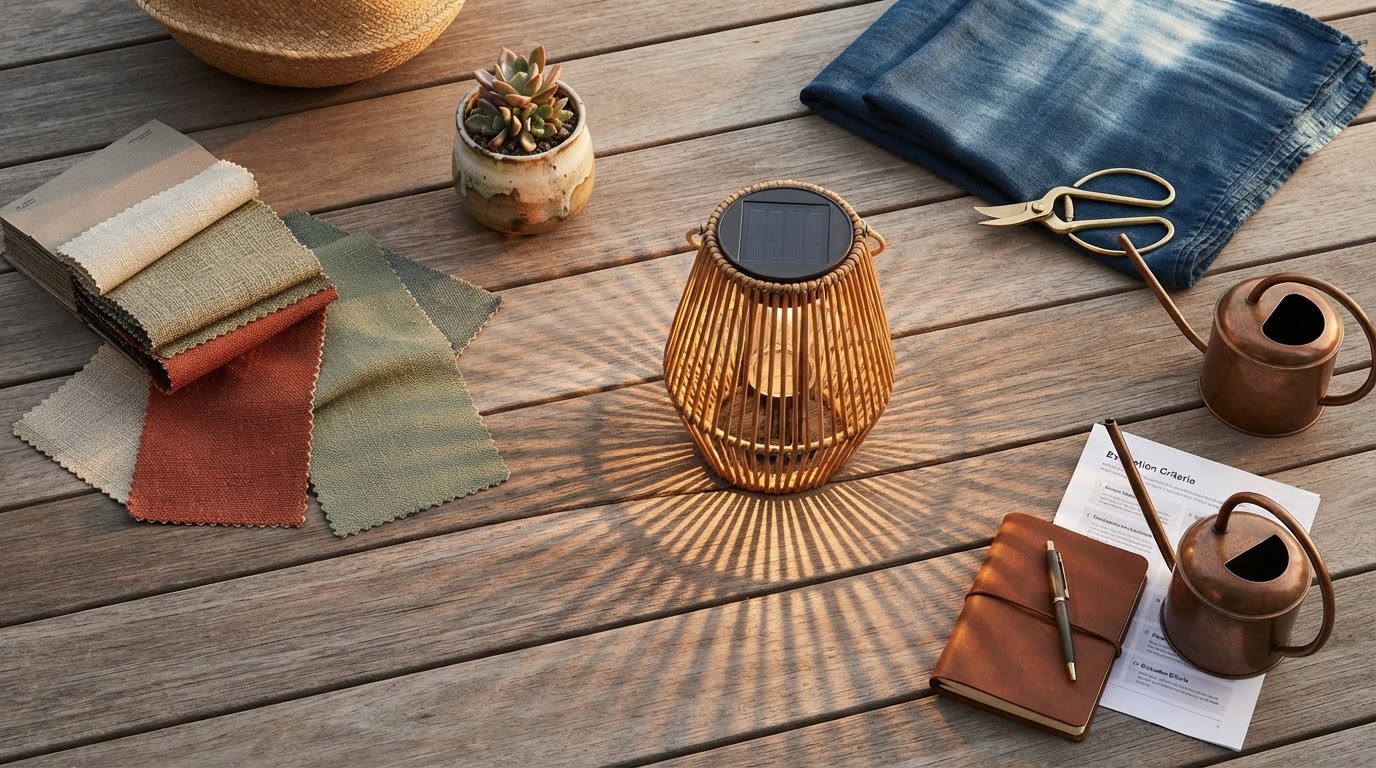
Two axes matter here: material integrity and luminous efficacy. When selecting a handwoven solar lantern, one must evaluate the tension between the organic aesthetics of the weave and the technical requirements of the photovoltaic cell. The primary challenge in outdoor lighting is the degradation of natural fibers under UV exposure and moisture. According to Etsy’s product data for the Handwoven Rattan Solar Lantern, modern iterations utilize an IPX54 waterproof rating to protect internal components, ensuring that the warm LED light remains functional despite environmental stressors. This protection allows the open-weave design to project intricate shadow patterns without the risk of short-circuiting during light rain.
Think of it as a matrix of durability versus light output. While a Rattan Solar Hanging Lantern offers a lightweight solution for elevated placements, the density of the weave directly impacts the 18-lumen output typical of these units. The decision rule for placement hinges on the solar panel's access to direct sunlight; even the most efficient hand-woven designs require a clear path to the sky to charge their internal batteries effectively. For those prioritizing a coastal or organic aesthetic, a Solar Powered Seagrass Lamp provides a softer texture, though it requires more frequent cleaning to prevent debris from clogging the weave and obstructing the light path. Once you see it this way, the choice becomes a matter of matching the weave density to the specific lighting needs of the zone, whether that be high-traffic pathways or quiet seating nooks.
Handwoven Solar Lantern models address these environmental challenges through a combination of high-grade synthetic or treated natural fibers and integrated solar arrays. Unlike traditional lanterns that rely on external wiring, these units utilize self-contained energy systems. For instance, the Techko Group Outdoor Solar Rattan-Style LED Lantern features a 6000K LED, providing a cooler, crisper light that contrasts with the warmer tones typically found in hand-woven products. This distinction is critical when coordinating with existing Wicker Solar Patio Lights Outdoor, where color temperature consistency determines the visual harmony of the space. The integration of brushed brass details or handblown glass, as seen in the Allsop Garden Cabin Solar Lantern, adds a layer of structural rigidity that prevents the lantern from deforming in high-heat environments.
Furthermore, the versatility of a handwoven solar lantern allows it to function as both a focal point and a complementary element within a broader lighting scheme. When used in conjunction with a rattan solar hanging lantern, these fixtures create a multi-layered lighting effect that mimics natural light filtration. The technical advantage of using a wicker solar patio lights outdoor setup is the reduction in installation costs and the elimination of trip hazards associated with corded lighting. By utilizing a solar powered seagrass lamp in sheltered areas, users can maintain a cohesive material palette while ensuring each fixture is optimized for its specific micro-climate within the garden.
To ensure a successful installation, a systematic decision framework should be applied to each potential fixture. The decision rule: prioritize the ingress protection (IP) rating and battery capacity over purely decorative elements to ensure long-term reliability. A high-quality handwoven solar lantern should balance its artisanal appearance with modern hardware that can withstand seasonal transitions. Use the following checklist to evaluate your selection:
- Verify the Ingress Protection (IP) rating, aiming for at least IP54 to ensure dust and splash resistance.
- Assess the weave density to determine if the light throw meets the safety requirements of the intended area.
- Confirm the battery capacity (mAh) to ensure the lantern can sustain 6-8 hours of illumination after a full charge.
- Check the color temperature (Kelvin) to ensure it complements existing outdoor lighting fixtures.
- Evaluate the handle material, such as hemp rope or metal, for its load-bearing capacity and weather resistance.
Sources
- Cabin Solar Lantern 8" Handblown Glass - Allsop Garden
- Handwoven Rattan Solar Lantern, IPX54 Waterproof, Warm LED Light ...
- Outdoor Solar Rattan-Style LED Lantern with Handle - Techko Group