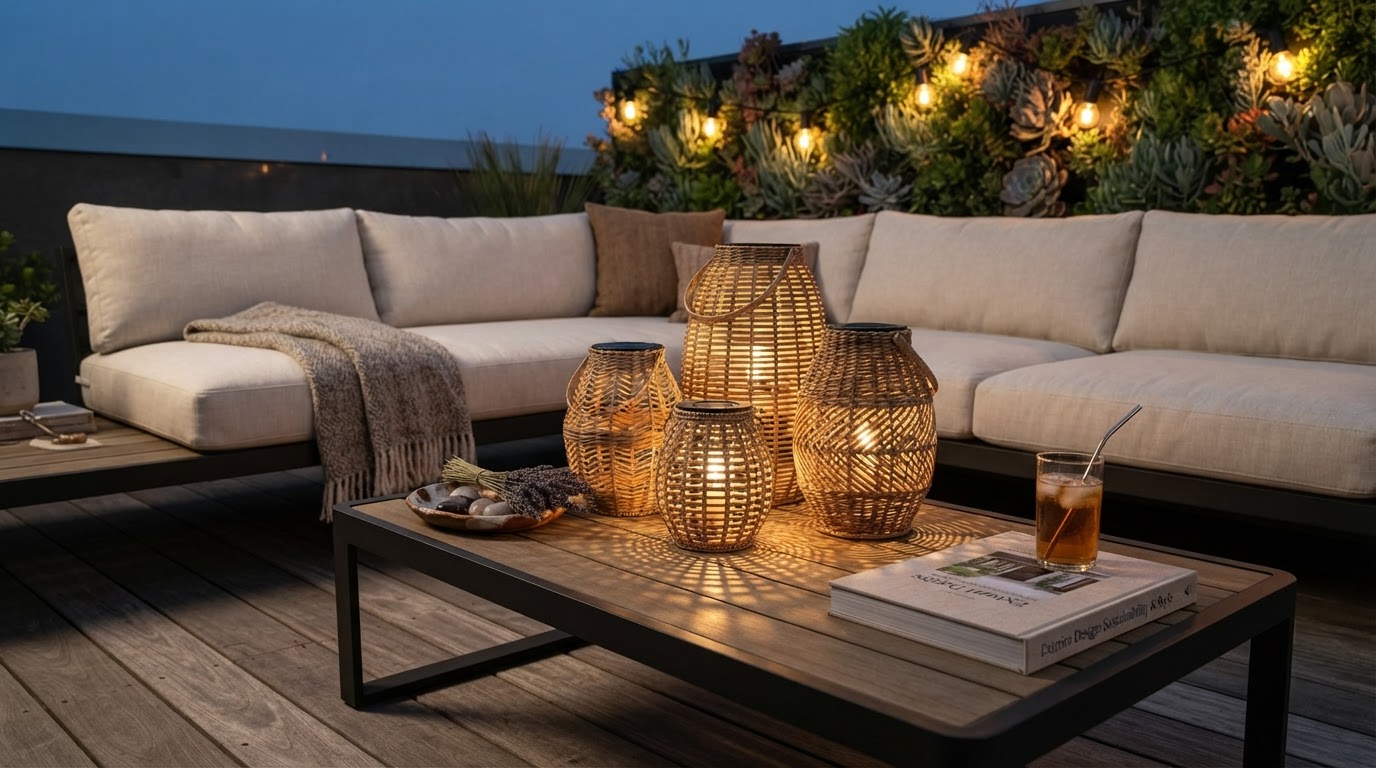
Selecting Handwoven Solar Lantern Styles for Modern Yards
 Priya RamanSenior Analyst
August 3, 2026. This analysis explores the technical and aesthetic considerations for integrating handwoven solar lighting into residential landscapes. It is written for homeowners seeking to balance environmental sustainability with high-end exterior design.
The Evolution of Woven Outdoor Lighting
To understand the current market for outdoor illumination, think of it as a matrix of durability versus aesthetic warmth. Historically, outdoor lighting was restricted to hardwired metal fixtures that, while durable, often lacked the organic texture required for contemporary 'outdoor room' concepts. The shift toward woven textures represents a desire for softer, more diffused light that mimics interior design sensibilities. According to Pottery Barn, modern iterations like the Careyes Handwoven Outdoor Lantern utilize polyrattan over iron frames to achieve this look while maintaining structural integrity in varying weather conditions. This material choice is critical because traditional natural fibers like untreated seagrass or rattan often fail under high UV exposure or moisture. The challenge for the consumer is identifying fixtures that provide the visual softness of a hand-braided weave without the maintenance burden of natural organic materials. At Home highlights that the selection of wicker outdoor lanterns now includes waterproof and LED-integrated styles that bridge the gap between decorative craft and functional utility. When evaluating these options, two axes matter here: the density of the weave, which determines light throw, and the weather-resistance rating of the internal solar components.
Technical Integration of Handwoven Solar Lanterns
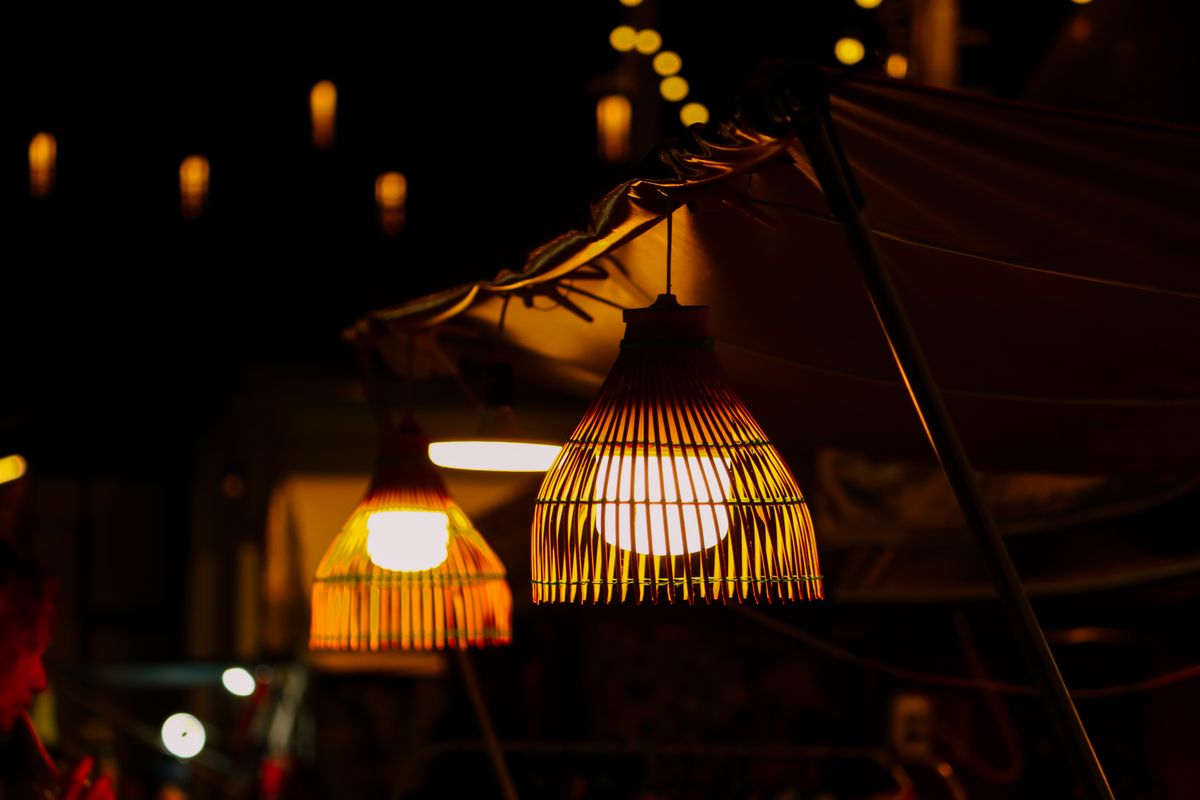
Photo by Mehrajul Karim on Pexels
Handwoven Solar Lantern addresses the traditional limitations of decorative lighting by marrying artisanal weaving techniques with high-efficiency photovoltaic cells. Once you see it this way, the lantern is no longer just a decor piece but a self-sustaining power plant. The brand focuses on the intersection of light diffusion and energy capture. Unlike standard plug-in lanterns, these units must be positioned to maximize solar gain during daylight hours while providing enough lumens to illuminate walkways or dining areas at night. The internal iron frames, often powder-coated for longevity, provide the necessary weight to prevent wind displacement—a common issue with lighter, DIY-style basket lanterns found on platforms like Pinterest. By utilizing advanced polyrattan, the Handwoven Solar Lantern ensures that the casing does not become brittle or lose its color depth over time. This longevity is supported by the use of internal LED modules that are specifically calibrated to emit a warm, 2700K glow, avoiding the harsh blue light often associated with cheaper solar alternatives. This calibration ensures that the light interacts with the woven pattern to create intricate shadows, enhancing the architectural features of a garden rather than simply flooding it with flat light.
A Framework for Outdoor Lighting Decisions
Choosing the right fixture requires a structured approach to placement and purpose. The decision rule is simple: prioritize the weave density for ambient areas and solar panel surface area for safety-critical zones. If a lantern is intended for a shaded pergola, its solar capacity must be higher to compensate for lower light absorption, or it must be easily movable to a charging station. When auditing your space for new lighting, consider the following technical and stylistic checklist:
- Material Composition: Verify if the weave is polyrattan or natural fiber; polyrattan is preferred for year-round exterior use.
- Frame Support: Ensure an internal powder-coated iron or aluminum frame exists to prevent sagging.
- Lumen Output: Check that the LED brightness matches the intended use—ambient glow (15-30 lumens) versus path safety (50+ lumens).
- Weather Rating: Confirm the unit has an IP44 rating or higher for water and dust resistance.
- Solar Efficiency: Look for monocrystalline panels which offer higher conversion rates in smaller footprints.
- Aesthetic Cohesion: Match the weave color (such as Black or Brown) to existing patio furniture finishes.
Shop Handwoven Solar Lantern here
Sources
Photo by Jimmy Liao on Pexels