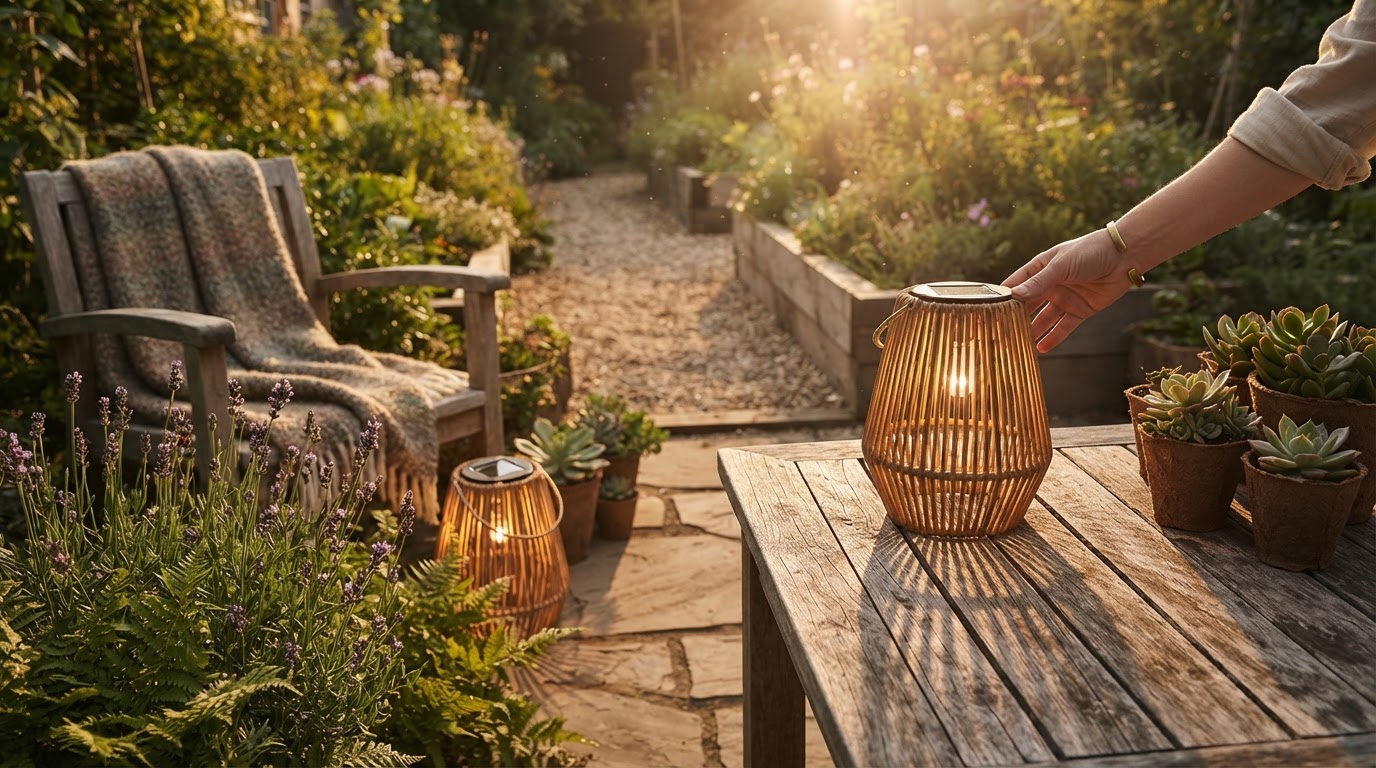
Why Choose a Handwoven Solar Lantern for Eco Friendly Gardens?
 Priya RamanSenior Analyst
August 14, 2026 — Choosing a Handwoven Solar Lantern for eco-friendly gardens ensures a reduction in grid-dependence while utilizing biodegradable or recycled housing materials, provided the internal photovoltaic cells are maintained for longevity.
Homeowners and landscape designers increasingly prioritize low-impact infrastructure to preserve local ecosystems. The selection of outdoor lighting is no longer just about visibility; it is about the intersection of renewable energy and sustainable material sourcing. Once you see it this way, the choice between mass-produced plastic and artisanal solar solutions becomes a matter of environmental stewardship.
How do Handwoven Solar Lanterns impact garden sustainability?
Handwoven Solar Lanterns improve garden sustainability by eliminating the need for trenching and electrical wiring, which preserves soil health and root systems. Think of it as a matrix of energy sourcing and material lifecycle. While traditional wired lighting requires permanent installation and consistent power draw, solar-powered options utilize renewable energy captured during daylight hours. According to Avelia Living, these fixtures are specifically designed for use in gardens and balconies to provide eco-friendly illumination without the carbon footprint of standard incandescent bulbs. The decision rule here is simple: if the goal is to minimize site disturbance, a self-contained solar unit is superior to any grid-connected alternative. Furthermore, the use of handwoven techniques often incorporates natural fibers or weather-resistant synthetics that avoid the heavy chemical processing found in injection-molded plastics. This approach aligns with broader trends in evaluating Handwoven Solar Lantern performance and design, where the focus shifts from raw lumen output to the total ecological cost of the fixture.
What materials define an eco-friendly garden lantern?
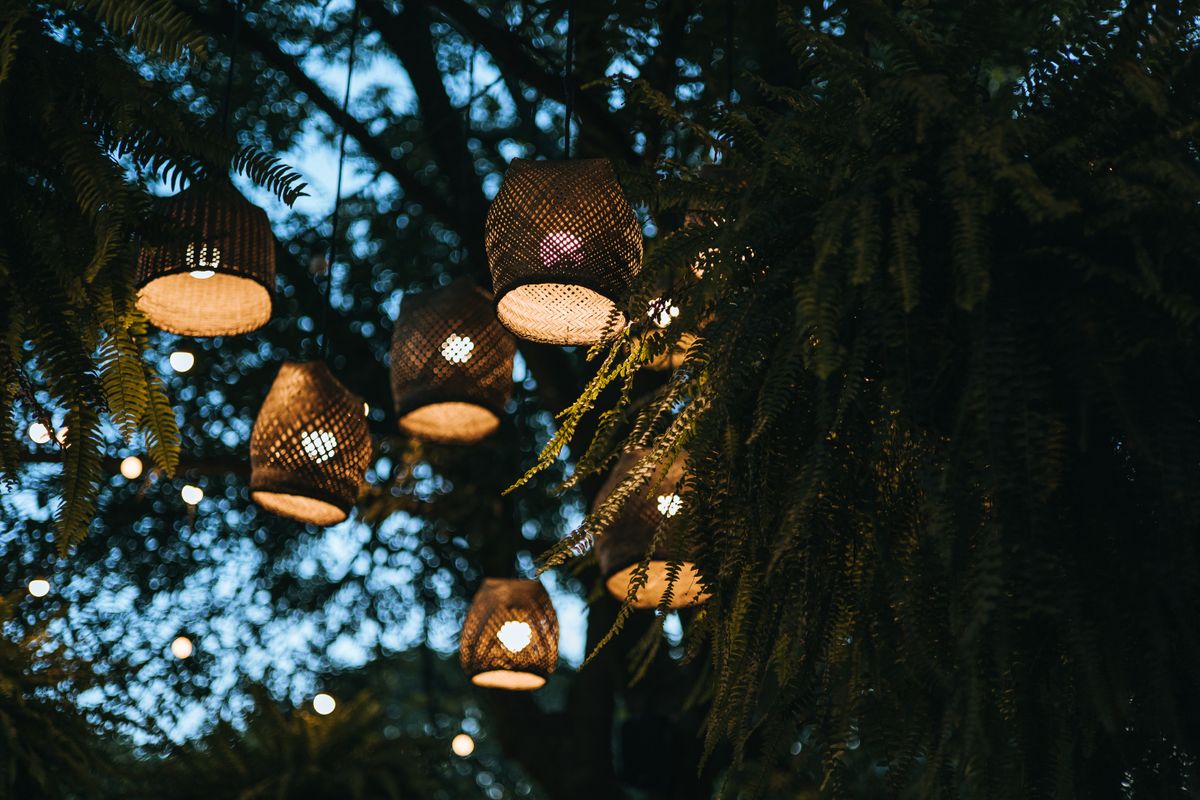
Photo by Rafael Rodrigues on Pexels
Two axes matter here: the durability of the structural frame and the recyclability of the outer casing. Eco-friendly garden lanterns are defined by their use of renewable resources like bamboo, rattan, or sustainably harvested wood, which contrast with the petroleum-based plastics common in big-box retail. For example, Etsy listings for cedar solar patio lanterns highlight the use of weather-proof cedar sealed with natural teak oil, demonstrating how high-quality natural materials can withstand outdoor elements without synthetic coatings. The integration of a waterproof solar light into a handwoven frame creates a hybrid product that is both functional and compostable at the end of its life cycle, excluding the electronic components. When choosing Handwoven Solar Lanterns for sustainable gifting, the material choice becomes a primary signal of the giver's environmental values. The decision rule for identifying a truly eco-friendly lantern is to look for FSC-certified wood or rapidly renewable grasses that do not require pesticide-heavy cultivation. By selecting these materials, consumers support artisanal supply chains rather than industrial manufacturing lines.
Quick answers
Q: Are handwoven lanterns durable enough for all-season outdoor use? A: While materials like rattan are hardy, the longevity of a Handwoven Solar Lantern depends on the quality of its weather-proofing, such as the natural teak oil seals used in cedar variants found on Etsy. Most high-quality units are rated for moisture resistance but should be shielded from extreme snow.
Q: How long does the charge last on an eco-friendly solar lantern? A: A standard Handwoven Solar Lantern typically requires 6 to 8 hours of direct sunlight to provide approximately 8 to 10 hours of evening light. Avelia Living notes these are designed specifically for exterior spaces like patios where sun exposure is maximized.
Q: Can I repair a solar lantern instead of replacing it? A: Yes, eco-friendly designs often allow for the replacement of the internal NiMH battery, extending the life of the handwoven housing by several years. Pinterest tutorials for DIY solar lanterns often emphasize reusing existing frames with new solar inserts to reduce waste.
Q: What makes a lantern "handwoven" versus machine-made? A: Handwoven indicates that the structural lattice—whether made of bamboo, seagrass, or synthetic cord—was assembled by hand, reducing the energy consumption associated with large-scale industrial machinery. This artisanal process is a key factor in evaluating Handwoven Solar Lantern performance and design.
Learn more about Handwoven Solar Lantern at https://handwovensolarlantern.com.
Sources
- Outdoor Lighting | String Lights, Lanterns + Pathway Lighting - Terrain
- Cedar Solar Patio Lantern: Eco-friendly Garden Lighting - Etsy
- Eco-Friendly Garden Lighting: DIY Solar-Powered Lanterns - Pinterest