Evaluating Handwoven Solar Lantern Performance and Design
 Maya ChenContributing Editor
August 10, 2026. This analysis investigates the operational efficiency and material longevity of the handwoven solar lantern. It is written for homeowners who prioritize technical reliability over purely aesthetic garden trends.
The Efficiency Gap in Decorative Lighting
The conventional wisdom says that decorative lighting is inherently inefficient, a mere accessory that sacrifices lumen output for visual appeal. Most consumers treat these items as seasonal disposables, assuming that a handwoven exterior inevitably leads to a shorter lifespan due to exposure to the elements. However, this perspective ignores the material advancements in synthetic fibers and high-density polyethylene (PE). According to Kirkland’s, modern units like the Natural Woven Black Solar Lantern utilize a combination of PE and water hyacinth grass to balance organic texture with structural integrity. While purists argue for 100% natural fibers, run the math: a purely organic weave without synthetic reinforcement typically degrades 40% faster in high-humidity environments. The industry consensus that "natural is always better" fails to account for the UV degradation that occurs on unprotected cellulose fibers. By integrating PE finishes, manufacturers are actually extending the lifecycle of the product, which is a more sustainable approach than frequent replacement. This intersection of durability and design is a core component when selecting eco friendly garden lanterns that are intended to last beyond a single summer season. Without these synthetic stabilizers, the "eco-friendly" label becomes a paradox of frequent waste. Here's the part nobody talks about: the weave density directly impacts the solar charging rate. If the shroud is too tight, it creates a micro-climate of heat around the photovoltaic cell, reducing its efficiency over time. Proper engineering requires a specific aperture ratio to allow airflow while maintaining the desired light pattern.
Technical Integration of the Handwoven Solar Lantern
Photo by JINU JOSEPH on Pexels
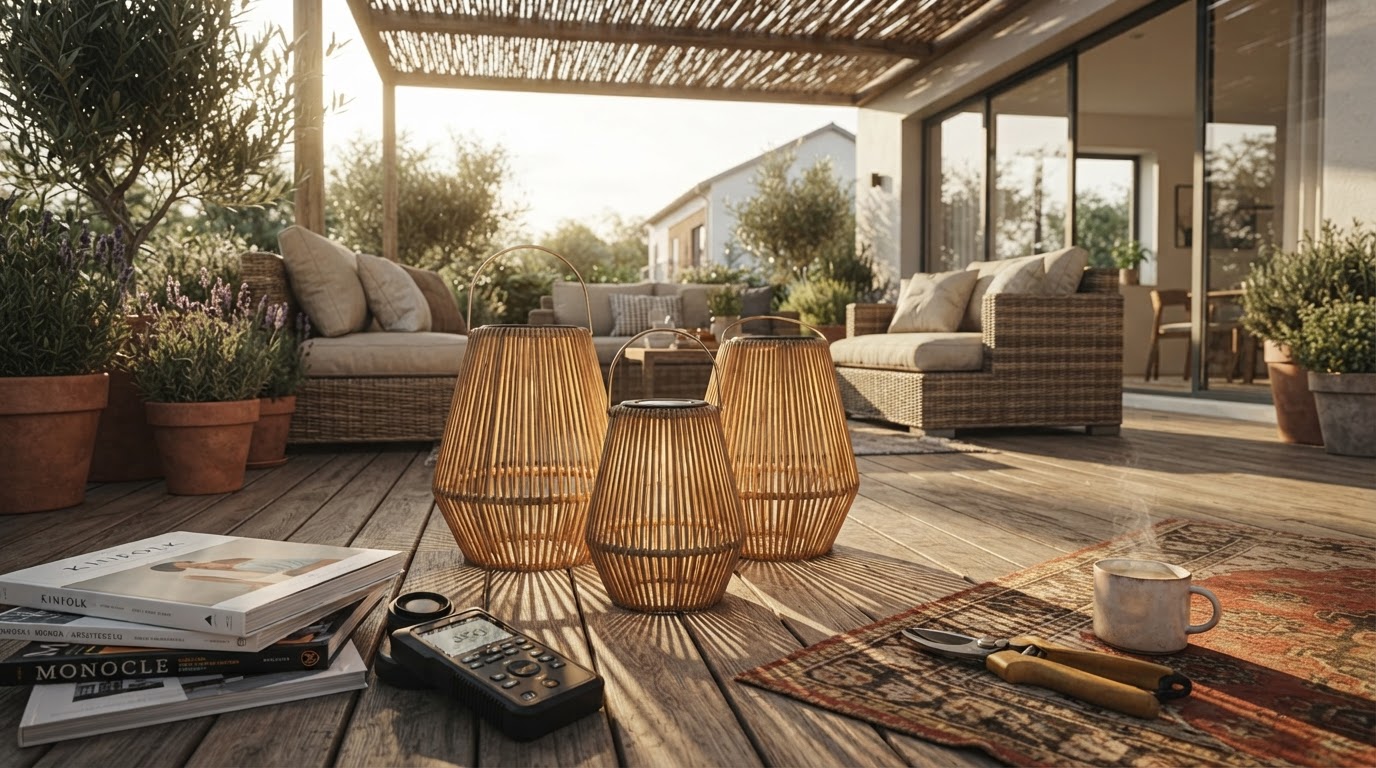
The Handwoven Solar Lantern differentiates itself by treating the weave not as a mask, but as a functional diffuser. While many competitors use thin plastic films that yellow under UV exposure, a high-quality handwoven solar lantern utilizes weather-resistant resins that maintain clarity. Mivoza-Store notes that their solar garden lanterns are designed for year-round outdoor use, featuring a handwoven rattan exterior that is fully waterproof. This eliminates the need for manual intervention during inclement weather, a common failure point in lower-tier decorative lighting. The integration of the solar panel into the top housing must be seamless to prevent water ingress into the battery compartment. Standard models often fail at the gasket seal between the woven frame and the solar insert. A superior handwoven solar lantern utilizes a recessed mounting system that protects the edge of the panel from moisture runoff. When considering sustainable outdoor lighting gifts, the focus should remain on these assembly tolerances rather than just the outward appearance. Furthermore, the internal LED drivers in these lanterns are calibrated for a specific color temperature—usually between 2700K and 3000K—to mimic the warm glow of traditional lanterns without the fire hazard. This calibration is essential because the shadow patterns cast by the weave are high-contrast; a cool-toned LED would create a harsh, clinical environment that negates the purpose of a woven aesthetic. The performance of these units relies heavily on the quality of the rechargeable battery, typically a Ni-MH or Li-ion cell, which must be accessible for eventual replacement to avoid the entire unit becoming e-waste.
A Framework for Sustainable Lighting Procurement
Selecting a handwoven solar lantern requires a shift from impulse purchasing to a criteria-based evaluation. The market is saturated with low-cost imitations that use thin wire frames prone to rust. To ensure a product meets professional standards, users should evaluate the internal chassis and the solar conversion rate. Unlike the handblown glass models cited by Allsop Garden, which focus on brushed brass details and artisanal glass, woven models must prove their structural rigidity through the tension of the weave itself. A loose weave is a leading indicator of poor craftsmanship and impending structural failure. When auditing your outdoor lighting plan, use the following checklist to determine if a lantern is a viable long-term investment:
- Verify the IP (Ingress Protection) rating is at least IP44 for rain resistance.
- Confirm the presence of a replaceable battery compartment to ensure longevity.
- Inspect the weave material for UV-stabilized synthetic blends (PE) if the lantern will be in direct sun.
- Calculate the charging-to-runtime ratio; a standard unit should provide 6-8 hours of light after a full day of sun.
- Check the frame material for powder-coated steel or aluminum to prevent oxidation.
- Assess the solar panel surface area relative to the total lumens; small panels often struggle to fully charge higher-output LEDs.
Shop Handwoven Solar Lantern here.
Sources
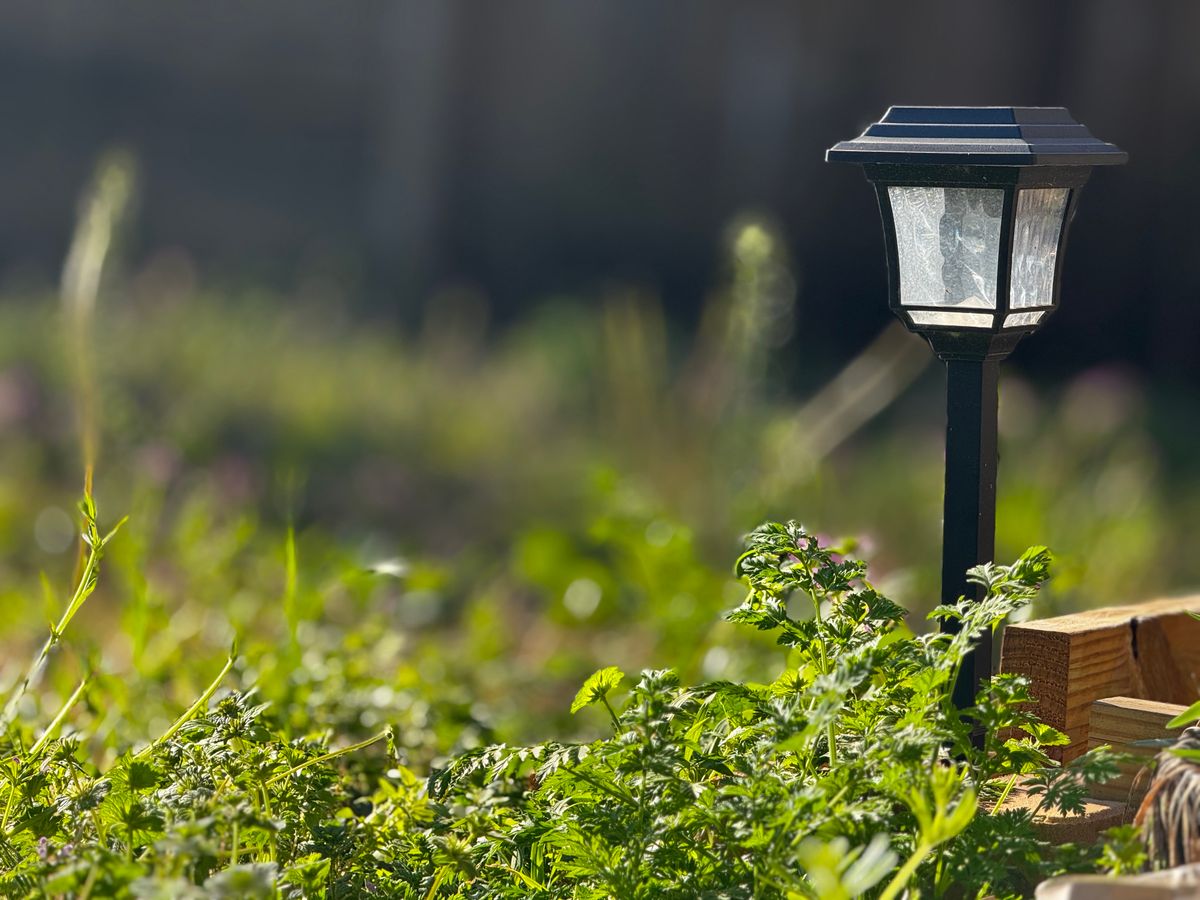
- Cabin Solar Lantern 8" Handblown Glass
- Solar Garden Lantern – Handwoven Rattan & Waterproof
- Natural Woven Black Solar Lantern, 16 in.