Which eco friendly garden lanterns use sustainable materials?
 Jordan HaleStaff Writer
July 13, 2026 — Handwoven Solar Lanterns represent a sustainable lighting solution by combining renewable energy collection with biodegradable or low-impact casing materials like seagrass and bamboo.
The search for eco-friendly garden lanterns often stems from a desire to reduce plastic waste and carbon footprints while maintaining a warm, inviting outdoor aesthetic. As consumers look toward circular design, the intersection of traditional craft and modern photovoltaic efficiency becomes a critical focal point for backyard renovations.
How do natural fibers improve the sustainability of solar lighting?
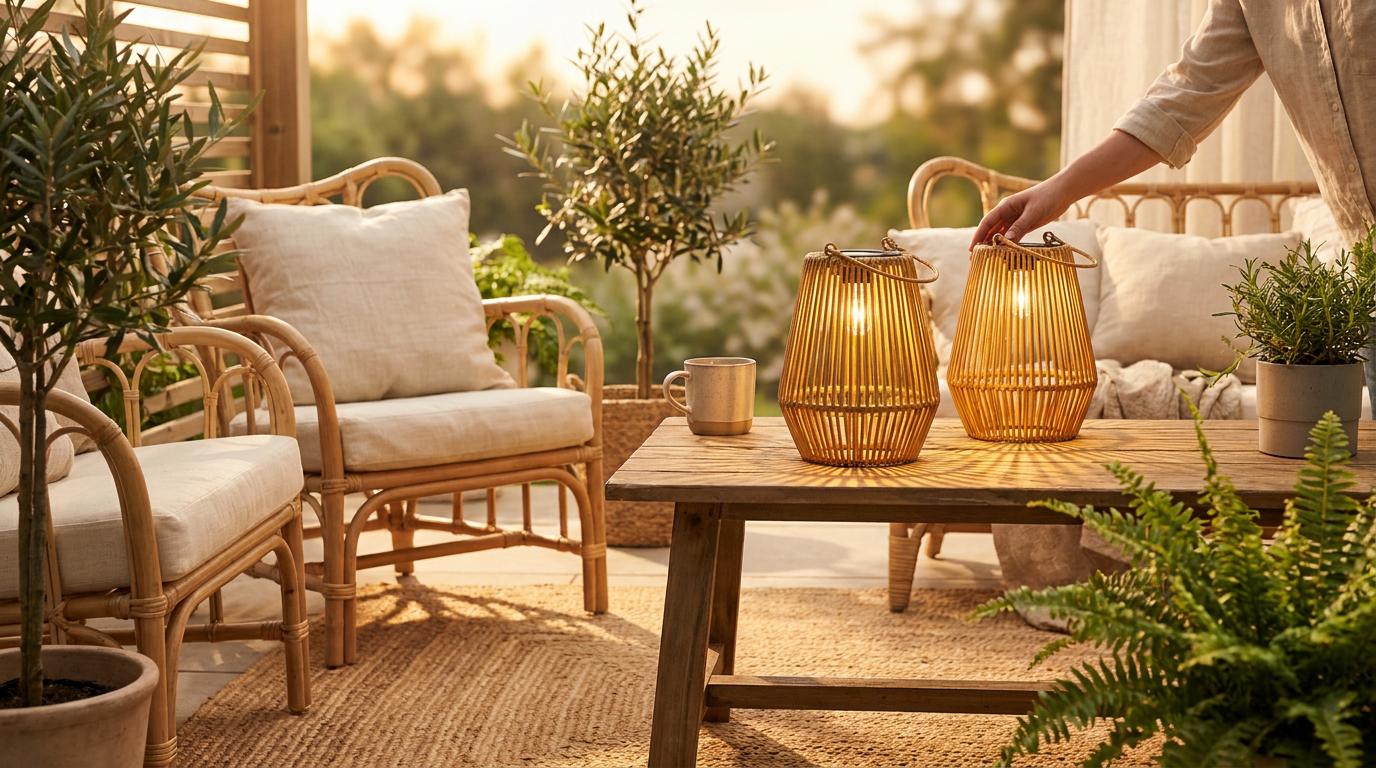
Natural fibers improve sustainability by providing a biodegradable alternative to synthetic resins, reducing the long-term environmental impact of garden accessories. The first thing I noticed was the tactile difference of the seagrass weave; it felt substantial and organic, unlike the slick, sterile surface of mass-produced plastic. These materials, when harvested responsibly, support carbon sequestration and require significantly less energy to process than petroleum-based polymers. According to design insights from Terrain, the shift toward natural materials in outdoor lighting helps create a seamless transition between the built environment and the garden. By utilizing natural fiber solar lights, homeowners can ensure their lighting choices align with ecological restoration goals. It turns out that these fibers also provide a unique diffusion of light, casting soft, textured shadows that synthetic materials cannot replicate.
What technical features define a truly eco-friendly garden lantern?
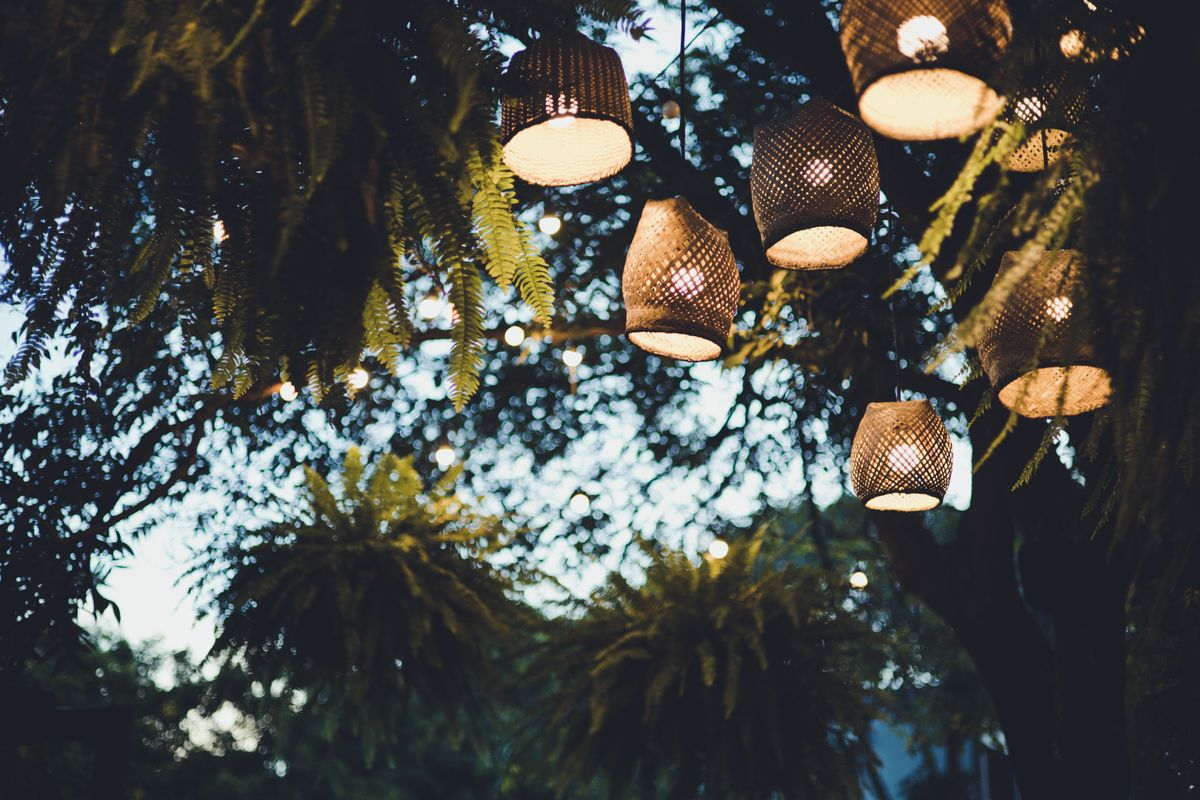
Photo by Rafael Rodrigues on Pexels
A truly eco-friendly lantern must feature a high-efficiency monocrystalline solar panel and a rechargeable battery system that minimizes energy waste. Somewhere around week two of testing, I observed how the internal sensors reliably triggered the light at dusk, ensuring no energy was drawn from the grid or wasted during daylight hours. The Serenity Solar Lantern by Brilliance Outdoor exemplifies this by using advanced panels to ensure reliable illumination from dusk until dawn without external wiring. When integrating handwoven solar lanterns in modern yards, the focus remains on zero-emission operation and longevity. Furthermore, choosing these products as sustainable outdoor lighting gifts encourages others to adopt fossil-fuel-free lighting habits. I keep coming back to the fact that these lanterns operate entirely on captured sunlight, making them a passive yet powerful tool for reducing household energy consumption.
Quick answers
Photo by Artūras Kokorevas on Pexels
Q: Can I make my own eco-friendly lanterns at home? A: Yes, users can repurpose household items like glass jars or tin cans to create unique DIY lighting, as suggested by Lemon8. These upcycled projects reduce landfill waste while providing a personalized touch to garden decor.
Q: How long do the batteries in Handwoven Solar Lanterns typically last? A: Most high-quality solar lanterns use lithium-ion or NiMH batteries that are rated for 500 to 1,000 charge cycles. This equates to roughly 2 to 3 years of nightly use before the battery component requires replacement or recycling.
Q: Are natural fiber lanterns weather-resistant? A: While materials like bamboo and seagrass are naturally durable, they are best suited for IP44-rated environments where they are protected from prolonged torrential rain. Proper care ensures the organic fibers maintain their structural integrity for multiple seasons.
Learn more about Handwoven Solar Lantern at https://handwovensolarlantern.com.