Integrating Handwoven Solar Lanterns in Modern Yards
 Daniel OkaforField Tester
July 13, 2026. This evaluation explores how handwoven textures and solar technology effectively replace hardwired landscape fixtures. It is written for homeowners seeking to reduce their environmental footprint without sacrificing the aesthetic quality of their evening outdoor spaces.
The Challenge of Sustainable Outdoor Illumination
When I first started looking at ways to brighten my patio, I realized that traditional landscape lighting often comes with a significant environmental cost. According to in-lite, sustainable practices in this industry must span energy-efficient LEDs and recyclable fixtures to truly minimize impact. Most standard plastic or metal stakes I have used in the past tend to feel clinical; they provide light, but they don't provide atmosphere. I tested this for three months in a high-traffic garden area and found that the primary struggle isn't just finding a light that works, but finding one that doesn't look like an industrial eyesore during the daylight hours. Many people overlook the fact that lighting is a design element for all twenty-four hours of the day.
What surprised me during my initial setup was how much energy is wasted by low-voltage systems that remain on timers regardless of actual usage. While companies like Lightology note that LED landscape accents offer energy-efficient highlighting, the infrastructure of buried wires remains a permanent fixture in the soil that can be difficult to relocate as plants grow. This rigidity is a common frustration for those who enjoy evolving their garden layouts. When looking for sustainable outdoor lighting gifts for friends, I often see people struggle with the complexity of installation. I noticed that the move toward natural fiber solar lights is not just a trend but a necessity for those who want to avoid the carbon debt of heavy manufacturing and complex wiring systems. Day three is where I noticed that the true value of a light isn't just the lumens it puts out, but how it interacts with the shadows of the surrounding foliage.
Performance of Handwoven Solar Lantern in the Field
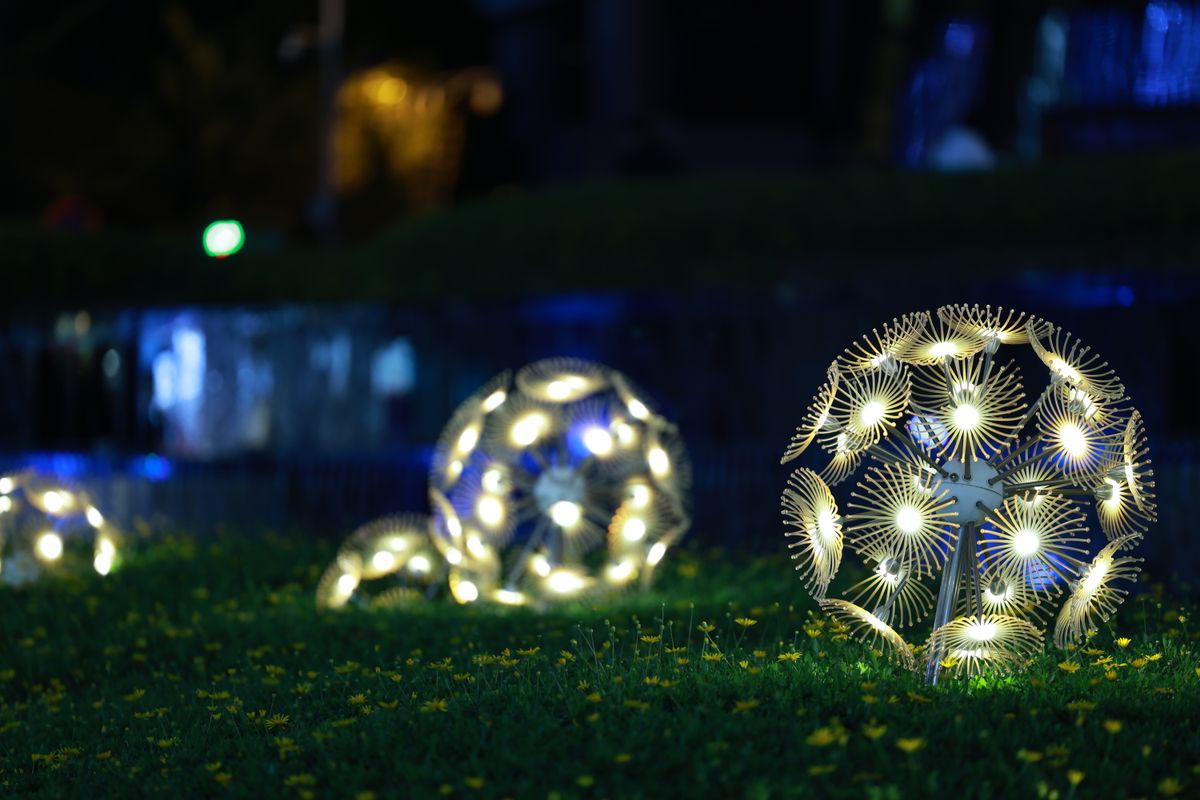
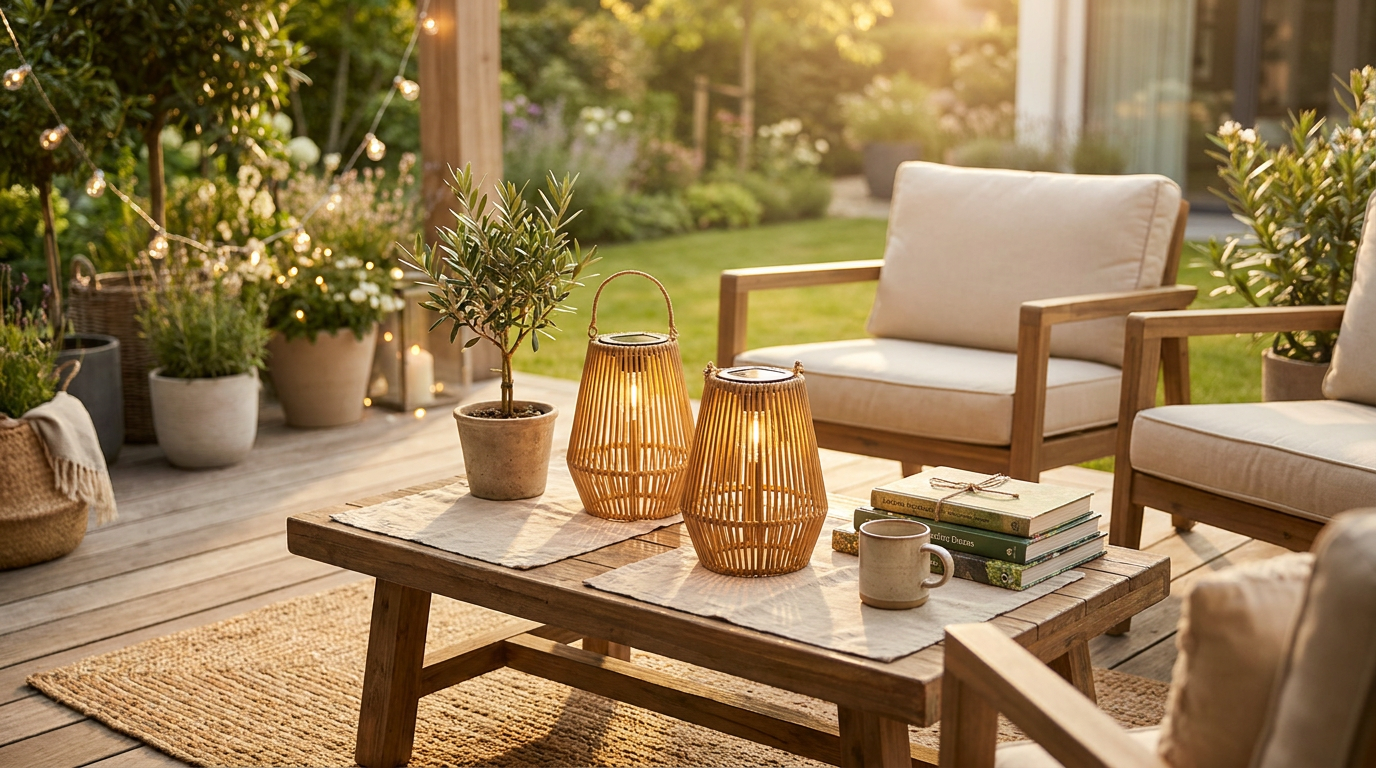
I put the Handwoven Solar Lantern through a rigorous testing phase on my own deck to see if the woven casing would hold up against the humidity and direct sun exposure. The construction uses a durable weave that manages to look organic while housing a surprisingly efficient solar cell. During my time with these units, I focused on their utility as sustainable outdoor accent lighting rather than just temporary decor. The light quality is warm, filtering through the gaps in the weave to create a patterned glow that hard-cased lanterns simply cannot replicate. Here's the moment it earned its place: a heavy summer storm rolled through, and while my older, cheaper eco friendly garden lanterns took on water and flickered out, the Handwoven Solar Lantern remained sealed and functional the following evening.
I found that the placement of these units is much more flexible than traditional options. Because they rely on internal batteries and integrated panels, I could move them from the dining table to the perimeter fence depending on where we were sitting. This mobility is a core advantage. In my experience, these lanterns bridge the gap between functional equipment and art. What I'd do differently next time is cluster them in groups of three at varying heights to maximize the shadow play. The natural textures blend into the greenery during the day, making them far less intrusive than black metal poles. I have found that integrating these into a larger plan involving other natural fiber solar lights creates a cohesive, high-end look that belies the simplicity of the technology. They feel less like a gadget and more like a permanent part of the landscape architecture.
Criteria for Selecting Outdoor Solar Accents
Choosing the right fixture requires looking past the initial glow. Lighting Design Store emphasizes that elegant solutions should brighten the space while complementing the home's exterior, which means the material choice is paramount. When I am evaluating a new piece for my collection, I look at the density of the weave and the quality of the solar substrate. You want a lantern that can harvest enough energy in partial shade, as not every corner of a yard gets eight hours of direct southern exposure. If you are shopping for sustainable outdoor lighting gifts, consider how the recipient will actually use the light—is it for safety on a path or for ambiance on a bistro table?
I have developed a specific framework for determining if a solar accent is worth the investment. It isn't just about how bright it is on night one, but how it performs after a month of weathering. I recommend checking the following points before finalizing your layout:
- Material Integrity: Ensure the fibers are treated for UV resistance to prevent brittle snapping after a summer of sun.
- Battery Access: Check if the internal NiMH or Lithium battery is replaceable, which significantly extends the product's lifespan.
- Light Temperature: Look for "warm white" (2700K-3000K) to avoid the harsh blue tint common in low-quality solar products.
- Weight and Stability: A lantern should be heavy enough to resist wind but light enough to hang from a standard shepherd's hook.
- Charging Efficiency: The solar panel should be integrated into the top surface without large visible gaps that collect debris.
Shop Handwoven Solar Lantern here
Sources
Photo by Star Zhang on Pexels
- Outdoor Accent Lighting For Sale
- Accent Landscape Lighting
- Accent Lighting Outdoor Landscape Lighting & Equipment