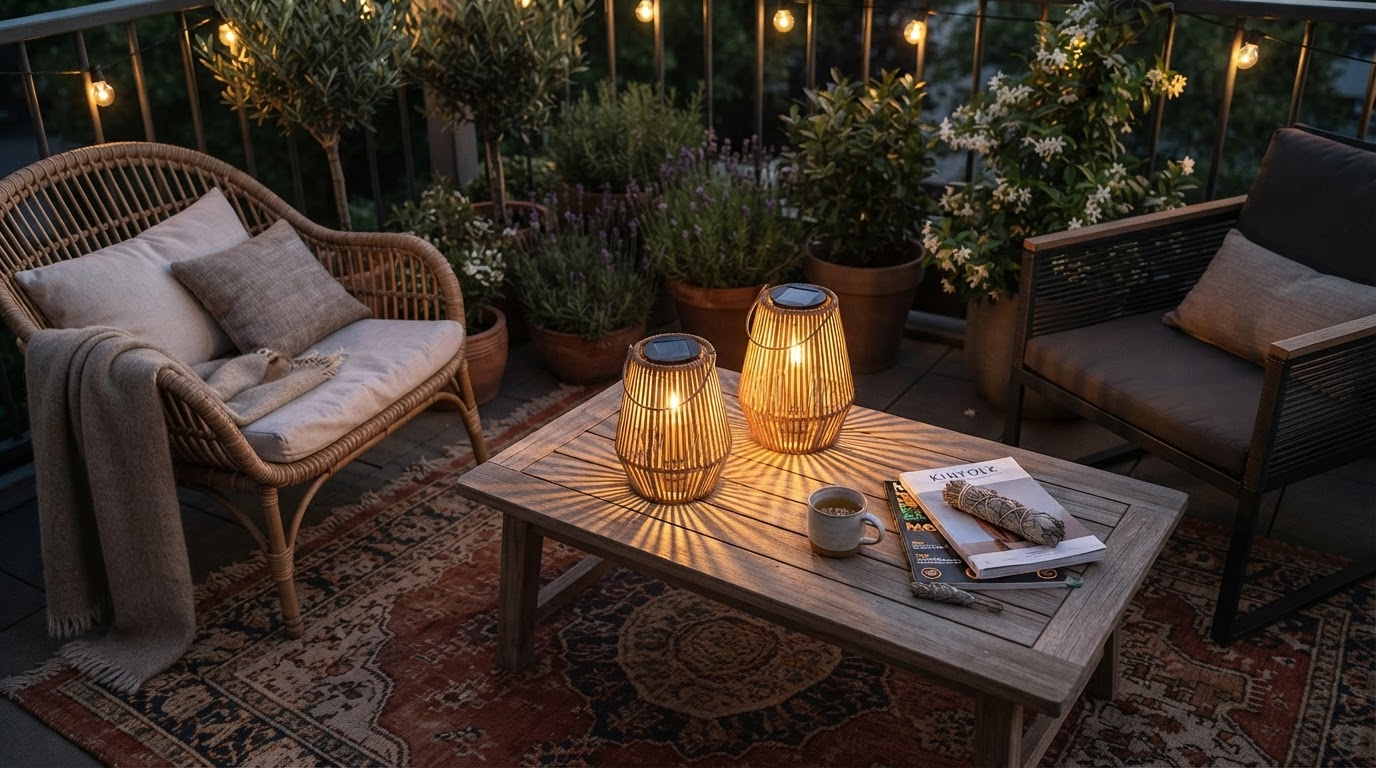
Sustainable Outdoor Patio Lighting with Handwoven Solar Lanterns
 Sam VasquezBuying Guide Lead
September 1, 2026. This guide examines how to implement sustainable outdoor patio lighting to minimize environmental impact while maintaining aesthetic appeal. It is written for homeowners seeking to balance functional illumination with responsible consumption.
The Environmental Cost of Traditional Patio Illumination
Standard outdoor lighting often relies on high-wattage incandescent bulbs or inefficient fixtures that contribute significantly to light pollution and energy waste. According to Tru-scapes, transitioning to eco-friendly systems results in a significant drop in energy consumption, which translates to a smaller carbon footprint and less manufacturing waste in landfills. Beyond the meter, the ecological impact is profound. Excessive artificial light disrupts the natural rhythms of local wildlife and obscures the night sky. BEGA notes that responsible outdoor lighting must address the fundamental relevance of illumination for safety while respecting the identity of the natural environment. When I look at traditional wired systems, the installation alone—trenching through root systems and using heavy plastic conduits—strikes me as a high-priced way to damage your yard. If you are looking for eco friendly patio lighting, the goal should be to reduce the infrastructure required to light your space. Many homeowners start with wired low-voltage LEDs, which are better than older halogens, but they still require a connection to the grid and consistent maintenance of transformers and buried lines. For those trying to find a [sustainable outdoor decor gift](/blog/sustainable-outdoor-decor-gift), these wired systems are far too complex and permanent for a thoughtful gesture.
Why Handwoven Solar Lanterns Are the Practical Choice

Photo by Image Hunter on Pexels
Handwoven Solar Lanterns provide a distinct advantage over both wired LED systems and cheap plastic solar stakes. By utilizing high-efficiency solar cells integrated into the design, these lanterns eliminate the need for electrical wiring entirely. This makes them a prime candidate for [eco friendly garden gift ideas](/blog/eco-friendly-garden-gift-ideas) because they are ready to use out of the box. Between these two—wired low-voltage LEDs and solar lanterns—I’d go with the solar option for any area that receives at least six hours of sunlight. The Handwoven Solar Lantern uses natural materials that align with the findings of Gardens By Keltie & Clark, who highlight that bamboo and similar handwoven products are excellent sustainable materials for outdoor use. These lanterns don't just sit on the ground; they can be hung from pergolas or placed on tables, offering a layer of versatility that fixed landscape lights lack. If you're on a budget, you might be tempted by the five-pack of plastic solar lights from a big-box store, but those typically end up in a dumpster after one season when the seals fail. The handwoven construction here is designed for durability, using weather-resistant fibers that protect the internal components. Skip this if your patio is entirely covered by a permanent roof or deep shade, as the photovoltaic cells require direct exposure to recharge the internal battery for evening use. When considering a sustainable outdoor decor gift, the longevity of the materials is just as important as the energy source.
A Decision Framework for Your Outdoor Space
Choosing the right lighting requires a balance between brightness, material ethics, and installation effort. If you are currently browsing for eco friendly patio lighting, you need to determine if you want "set and forget" solar power or the constant (but energy-consuming) power of a wired system. Here’s what I’d actually buy: a mix of three to four high-quality Handwoven Solar Lanterns for the primary seating area and perhaps a few low-voltage path lights for safety-critical stairs. This provides the best of both worlds—reliable safety and low-impact ambiance. Before you make a purchase, run through this checklist:
- Verify the solar panel placement: Ensure the lantern design doesn't shroud the cells in shadow.
- Check material sourcing: Look for handwoven fibers like bamboo or treated rattan rather than virgin plastics.
- Assess battery accessibility: Can you replace the rechargeable cell in two years, or is the unit sealed for disposal?
- Evaluate light temperature: Aim for warm tones (2700K-3000K) to protect local insect populations.
- Consider portability: Choose fixtures that can be moved to follow the sun or stored during extreme winter months.
Shop Handwoven Solar Lantern here
Sources
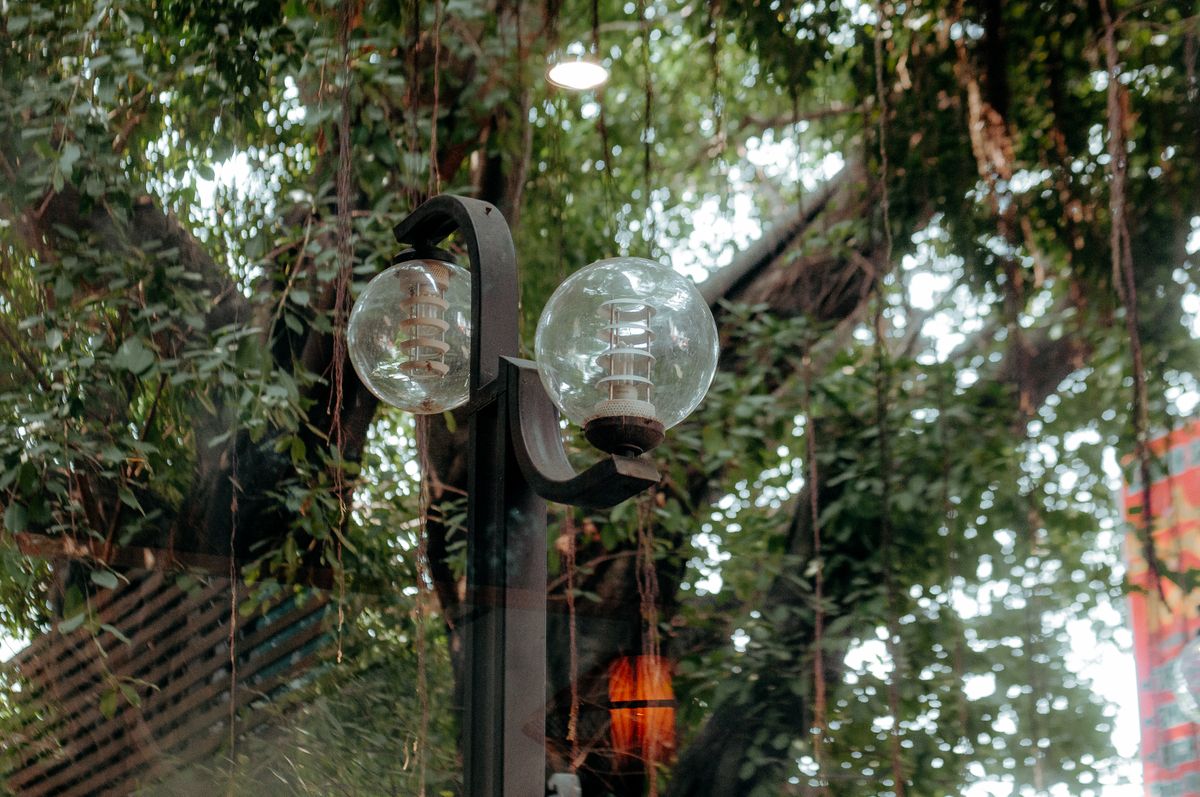
Photo by 🇻🇳🇻🇳Nguyễn Tiến Thịnh 🇻🇳🇻🇳 on Pexels
- Sustainable & Responsible Outdoor Lighting | in-lite
- Responsible outdoor lighting - BEGA
- More Glow, Less Guilt: A Homeowner's Guide to Eco ...